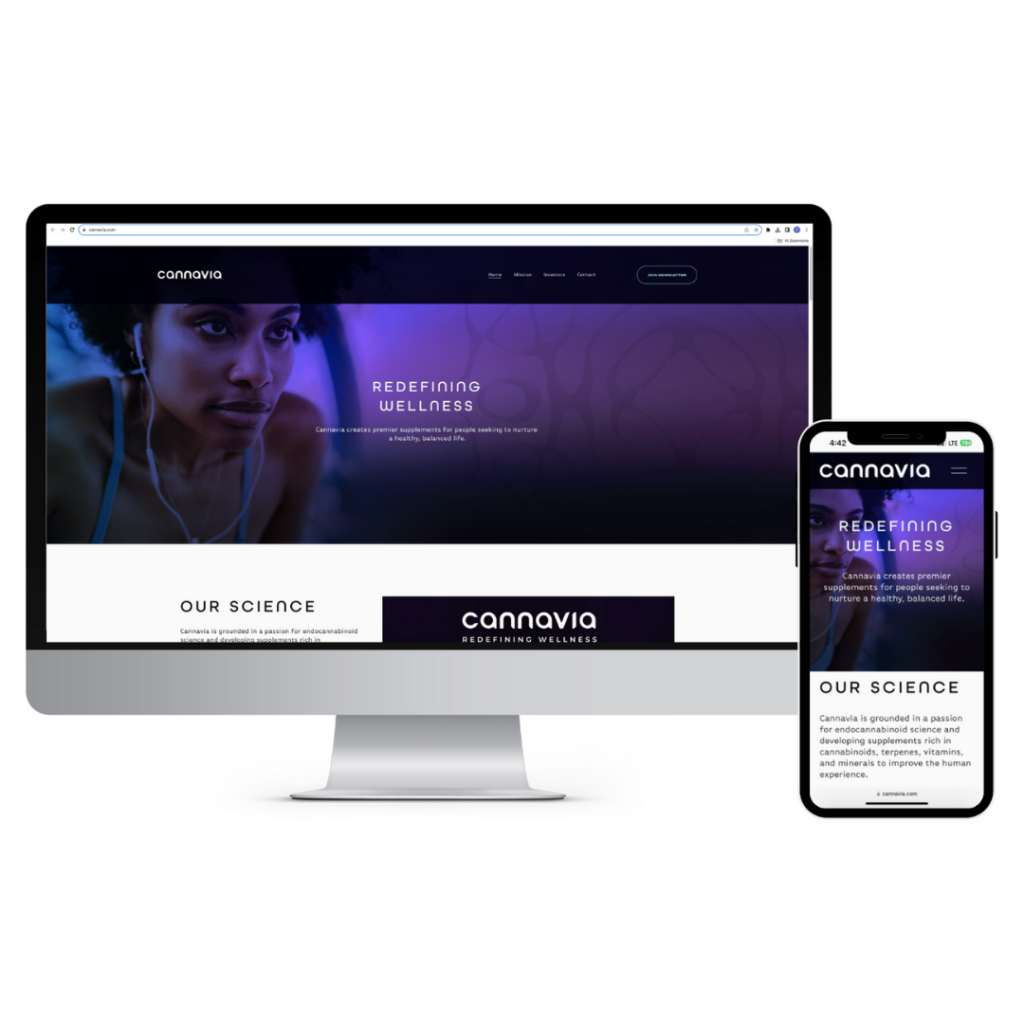
A business website is often one of the first places potential customers go when they want to learn about a company, compare options, or decide whether to make contact. While design, navigation, and technical performance all contribute to the overall experience, website content plays a central role in helping visitors understand what a business offers and why it may be relevant to them.
High-quality website content does more than fill pages with information. It answers questions, addresses customer concerns, demonstrates knowledge, supports search engine visibility, and guides visitors toward meaningful actions. When content is clear and relevant, visitors can more easily understand a company’s products or services and determine what to do next.
For businesses focused on generating leads, content should therefore be treated as an important part of the overall digital strategy. Well-planned content can attract the right audience through search, build confidence, and create opportunities for visitors to contact the business.
Why Does Website Content Matter for Lead Generation?
Website content helps bridge the gap between what a visitor is looking for and what a business provides. When someone arrives on a website, they usually have a question, problem, goal, or specific need. strong Brand Identity can also help ensure that this content communicates the business consistently and creates a recognizable experience for visitors.
Clear content can explain a company’s services, identify the problems it solves, describe how its offerings work, and answer common customer questions. This allows visitors to make better-informed decisions about whether the business is suitable for their needs.
Content can also influence how visitors move through a website. A well-written service page may introduce an offering and direct visitors toward a consultation, quote request, contact form, or another relevant page. Educational blog content may attract someone who is still researching a problem and then guide that visitor toward a related service.
How High-Quality Website Content Helps Generate More Leads
Builds Trust and Credibility
Trust is an important factor when someone is considering contacting a business. Visitors want to know that the company understands their needs and can provide accurate information about its products or services.
High-quality content can demonstrate knowledge by explaining topics clearly, addressing common concerns, and providing useful information without making unsupported claims. Content that reflects real expertise can help establish a stronger sense of credibility.
Businesses can also strengthen trust by providing accurate company information, service details, contact information, policies, case studies, testimonials where appropriate, and answers to frequently asked questions. These elements give visitors more context before they decide to take action.
Addresses Customer Questions and Pain Points
Potential customers often visit a website because they have a specific problem they want to solve. They may be researching a service, comparing providers, looking for pricing information, or trying to understand whether a particular solution is appropriate for their situation.
Website content should address these questions directly. For example, a service page can explain what the service includes, who it is intended for, what the process involves, and what visitors should consider before making a decision.
Blog articles and guides can answer broader informational questions. This type of content can attract users who may not yet be ready to contact a business but are actively researching a topic related to its services.
Improves Search Engine Visibility
High-quality website content can also contribute to a business’s search engine visibility. Search engines aim to provide users with relevant and useful results, so businesses should create content that addresses genuine search intent rather than simply inserting keywords into pages.
Effective SEO content considers the terms and questions that potential customers use when searching for information. Keywords can be incorporated naturally into page titles, headings, body content, and other relevant areas while maintaining readability.
Content structure also matters. Clear headings, descriptive page titles, internal links, relevant supporting information, and well-organized sections can make pages easier for both users and search engines to understand.
Encourages Visitors to Take Action
High-quality content should not leave visitors wondering what to do next. Once a visitor understands a company’s offering and sees its relevance, the website should provide a clear next step.
Calls to action can encourage visitors to contact the business, request information, schedule a consultation, submit a form, request a quote, or explore a relevant service. The appropriate action depends on the business and the visitor’s stage in the decision-making process.
What Makes Website Content High-Quality?
Clear and Easy-to-Understand Messaging
Website visitors should not have to spend significant time trying to understand what a business does. Clear messaging helps communicate the company’s offerings, audience, and value as quickly as possible.
Businesses should use straightforward language and avoid unnecessary industry jargon. Headlines should describe the subject of the page, while supporting content should provide enough detail to answer important questions.
Clarity is particularly important on homepages and service pages. Visitors should be able to understand the primary purpose of the page without reading every word.
Relevant and Useful Information
Quality content should have a clear purpose. Every page should provide information that is relevant to the intended audience and connected to the visitor’s likely search intent.
For example, someone searching for information about a specific service may want to understand its benefits, process, costs, requirements, or suitability. A useful page should address the questions that matter to that audience.
Businesses should avoid adding text simply to make a page longer. More words do not automatically make content more valuable. The goal should be to provide complete and useful information in a format that is easy to read and navigate.
Original and Accurate Content
Original content gives a website an opportunity to communicate information in a way that reflects the specific business and its audience. Copying generic descriptions from competitors or using repetitive content can make a website less distinctive.
Accuracy is equally important. Business information should be reviewed regularly to ensure that service descriptions, contact information, product details, operating information, and other important facts remain current.
Outdated information can create confusion and may reduce visitor confidence. Regular content reviews can help businesses identify information that needs to be corrected, expanded, or removed.
Content Designed for Users and Search Engines
Effective website content needs to balance user experience and SEO. Search engines need to understand what a page is about, but visitors need content that is natural and useful. A well-defined Brand Strategy can help businesses maintain consistent messaging while ensuring website content aligns with their overall brand goals.
Businesses can support both objectives by using descriptive headings, relevant keywords, logical page structures, internal links, concise paragraphs, and informative content. Images should also have appropriate alternative text where relevant.
Content should be organized so visitors can scan the page and quickly find the sections most relevant to them. This is particularly important for users accessing websites on mobile devices.
Which Website Pages Are Most Important for Lead Generation?
Homepage Content
The homepage often provides the first significant introduction to a business. It should clearly communicate what the company offers and help visitors identify where to find additional information.
A strong homepage can introduce key services, establish credibility, provide important contact options, and direct visitors toward relevant pages. It should avoid trying to explain every detail of the business on one page.
Instead, the homepage can provide clear pathways to service pages, contact information, educational resources, and other important areas of the website.
Service and Product Pages
Service and product pages are particularly important for lead generation because they address visitors who may already have a specific commercial need.
These pages should explain what is being offered, who it is intended for, what the process involves, and why someone may consider the service. Relevant FAQs can also address concerns that might otherwise prevent visitors from making contact.
Strong service pages should provide enough information to help visitors make an informed decision while offering a clear next step when they are ready to engage with the business.
Landing Pages
Landing pages can focus on specific audiences, services, campaigns, or search intents. Because they are generally designed around a specific objective, their content should remain focused.
A landing page should communicate its purpose quickly and provide information that supports the intended action. Relevant headlines, supporting details, trust elements, and a clear call to action can help create a more focused visitor journey.
Blog and Educational Content
Blog articles and educational resources can attract visitors who are searching for information before they are ready to purchase or contact a business.
For example, a potential customer may begin by searching for answers to a problem rather than searching directly for a service provider. A useful article can answer that question and introduce related services when appropriate. Over time, a collection of relevant educational content can also help a website build topical depth and create additional opportunities to attract organic search traffic.
Common Website Content Mistakes That Can Reduce Leads
One common mistake is using vague messaging. Statements that do not clearly explain what a business offers can make it difficult for visitors to understand the company’s relevance. Another problem is writing primarily for search engines. Keyword usage is important for SEO, but excessive or unnatural keyword placement can make content difficult to read and may reduce its effectiveness with visitors.
Outdated information can also damage the user experience. Businesses should regularly check important details and update pages when services, processes, contact information, or other information changes. Businesses such as Oniracom can help ensure that website content remains clear, organized, and aligned with the overall user experience.
Using too many calls to action can create another problem. When every section asks visitors to take a different action, the primary next step may become unclear. Calls to action should be relevant to the page and visitor intent.
Frequently Asked Questions
How does website content help generate leads?
Website content helps generate leads by attracting relevant visitors, answering their questions, establishing credibility, and guiding them toward actions such as contacting a business, requesting a quote, or submitting a form.
What type of website content generates the most leads?
There is no single content type that generates the most leads for every business. Service pages, landing pages, educational articles, case studies, FAQs, and other content can all contribute depending on the audience, industry, search intent, and customer journey.
How does SEO content help increase website leads?
SEO content can help a website appear for relevant searches and attract people who are actively looking for information, products, or services. When the content matches search intent and provides a clear path to conversion, those visitors may become potential leads.
How often should website content be updated?
There is no universal update schedule. Important business information should be reviewed whenever it changes, while other pages can be reviewed periodically to identify outdated information, content gaps, SEO opportunities, and areas that could provide greater value to visitors.
Should every website page have a call to action?
A relevant call to action can be useful on many pages, but it does not need to be identical across the entire website. The action should match the purpose of the page and the visitor’s likely stage in the decision-making process.
Conclusion
High-quality website content can play an important role in turning website traffic into potential business opportunities. Clear messaging helps visitors understand what a company offers, while useful information can answer questions, address concerns, and establish credibility.
Content also supports search engine visibility by helping businesses target relevant topics and search intent. Contact us to learn more about creating high-quality website content that can support your business goals and lead generation efforts.
The most effective content strategy is not simply about publishing more words. It is about creating accurate, useful, audience-focused information that supports every stage of the customer journey.