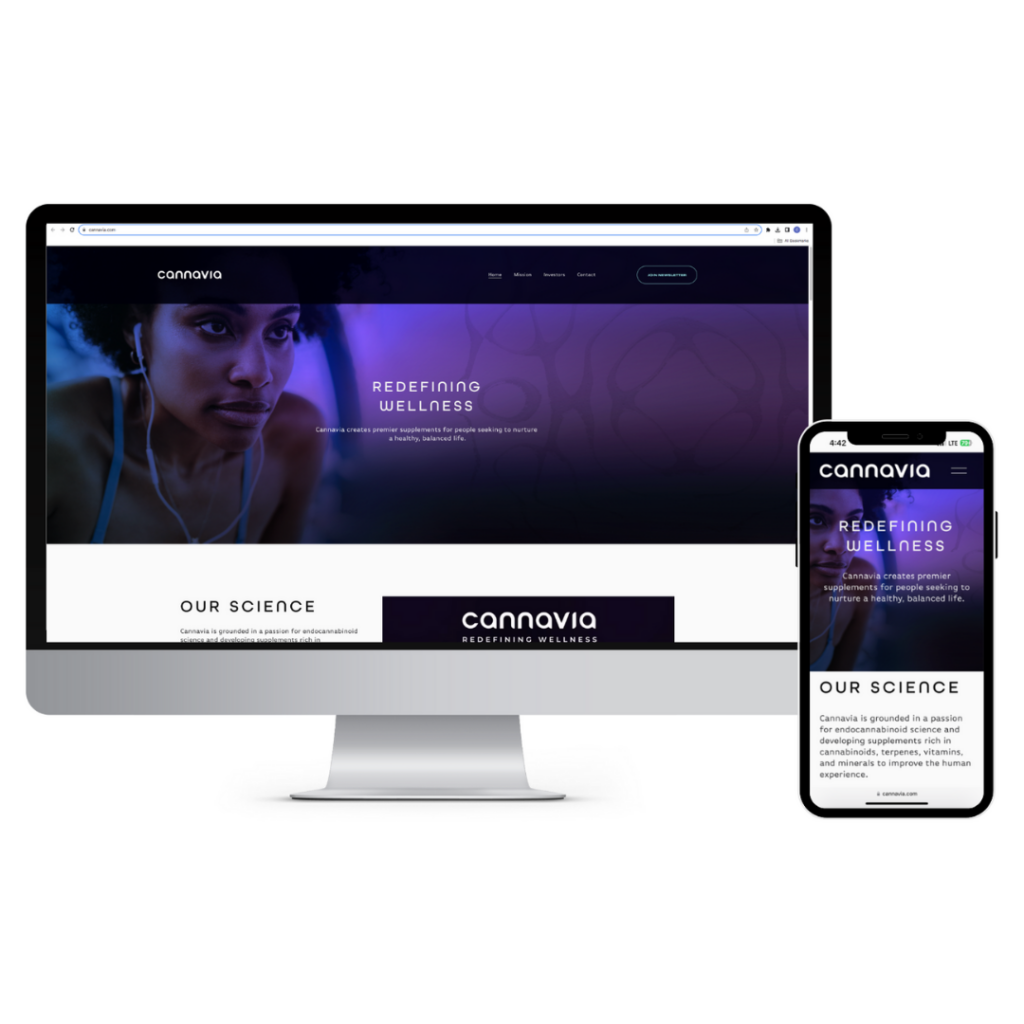
Your website is often the first place potential customers interact with your business. Before calling, requesting a quote, or making a purchase, visitors usually want to understand what you offer, whether you are trustworthy, and how your services can solve their problems.
This is where high-quality website content becomes important. A visually appealing website may attract attention, but strong content helps visitors understand your value and encourages them to take the next step.
Well-written content can also support search engine optimization, improve user experience, answer customer questions, and establish credibility. When these elements work together, your website has a better opportunity to turn visitors into qualified leads.
What Makes Website Content High Quality?
High-quality website content is not simply content that contains keywords or fills a webpage. It should provide useful information that matches what your target audience is actually looking for.
A well-planned brand positioning strategy can also help ensure that website content communicates what makes a business different and why its products or services are valuable to the right audience.
Important characteristics of quality website content include:
- Relevance to the target audience
- Original and useful information
- Clear and accurate explanations
- Easy-to-read formatting
- Natural keyword usage
- Strong calls to action
- Current and trustworthy information
The content should also match the purpose of the page. A service page should explain a service and encourage inquiries, while a blog article may focus more on educating visitors.
How Quality Content Builds Trust
Trust is one of the most important factors in lead generation. A visitor may be interested in your services but still hesitate to contact you if they cannot find enough information about your business. Detailed and helpful website content can answer those concerns before a visitor ever speaks with a sales representative.
For example, a service page can explain:
- What the service includes
- Who the service is designed for
- How the process works
- What customers can expect
- Why professional assistance may be valuable
- Common questions and concerns
When visitors find clear answers, they may feel more comfortable moving forward. Content can also demonstrate industry knowledge. Rather than simply saying that your company is experienced, provide useful information that demonstrates that experience.
Quality Content Helps Attract the Right Website Visitors
Generating website traffic is useful, but traffic alone does not guarantee leads. A business needs visitors who are genuinely interested in its products or services.High-quality content can help attract these users by targeting relevant search queries and addressing specific customer needs.
For example, someone searching for “how to choose a residential roofing contractor” is likely interested in roofing services. A helpful article addressing that question can introduce the business to a potential customer before they are ready to request an estimate. This approach allows content to reach customers at different stages of the buying journey.
Understanding Search Intent
Search intent refers to the reason behind a user’s search. Someone searching for “what is SEO” is probably looking for educational information. Someone searching for “SEO agency near me” may be much closer to contacting a provider. Businesses should create different types of content to address these varying needs.
This can include:
- Educational blog posts
- Service pages
- Comparison articles
- Buying guides
- FAQs
- Case studies
- Location pages
Matching content to search intent can improve both visibility and the likelihood of attracting qualified visitors.
How Content Turns Visitors Into Leads
Getting someone to visit your website is only the beginning. The next challenge is encouraging that visitor to take action.
Strong content can guide visitors naturally through this process. Instead of simply describing a service, the page should explain its benefits and address the questions that may prevent someone from contacting the business.
For example, a service page can discuss:
- The problem customers commonly experience.
- Why the problem should be addressed.
- How the company’s service can help.
- What the process involves.
- What customers should expect.
- How to get started.
This creates a natural path from information to action. A clear call to action should then make the next step obvious.
Important Types of Website Content for Lead Generation
Different content formats can contribute to lead generation in different ways.
Service and Product Pages
Service pages are often among the most important lead-generation pages on a website. They should provide enough information for potential customers to understand what the business offers and why the service may be appropriate for their needs. A strong service page can include:
- Service overview
- Key benefits
- Process information
- Common applications
- Frequently asked questions
- Relevant trust signals
- Clear contact options
Avoid making service pages excessively promotional. Visitors generally respond better when the content answers their questions instead of repeatedly telling them that the company is the best.
Educational Blog Content
Blog content can attract people who are researching a problem or looking for answers. For example, a business selling home improvement services could publish articles about maintenance, material selection, project planning, and common problems.
These articles can introduce potential customers to the business earlier in the buying process. Educational content can also support internal linking by directing readers toward relevant service pages.
Case Studies and Customer Success Stories
Case studies can demonstrate how a business has helped customers in real situations. Instead of simply claiming that a service works, a case study can explain the original challenge, the solution provided, and the outcome. This provides additional context and can help prospective customers understand what working with the business may look like.
FAQs
Frequently asked questions can remove barriers that prevent visitors from becoming leads. Customers may have concerns about:
- Pricing
- Process
- Timing
- Service areas
- Requirements
- Maintenance
- Guarantees
- Scheduling
Providing answers directly on the website can reduce uncertainty and make visitors more comfortable contacting the business.
SEO and High-Quality Content Work Together
SEO helps people discover your website, while quality content gives them a reason to stay and take action. Businesses should optimize their content without sacrificing readability. Important on-page SEO elements include:
- Relevant title tags
- Descriptive headings
- Natural keyword usage
- Optimized URLs
- Useful meta descriptions
- Internal links
- Descriptive image alt text
Keywords should be included naturally where they make sense. Avoid repeating the same keyword excessively. Search engines increasingly understand context and relationships between words, so content should be written for people first.
The Role of Strong Calls to Action
A website visitor may be interested in your service but still leave if they do not know what to do next. That is why calls to action are important. A CTA should clearly communicate the next step. Depending on the business, this might include:
- Request a quote
- Schedule a consultation
- Contact our team
- Book a service
- Call today
- Get started
- Learn more
The CTA should match the purpose of the page. An educational article may encourage readers to explore a related service, while a service page can use a stronger lead-generation CTA. Avoid placing too many competing CTAs on one page. A focused next step can make the user journey easier.
How Readability Improves Conversions
Even excellent information can underperform if it is difficult to read. Large blocks of text can make a webpage feel overwhelming, particularly when users are browsing on mobile devices. Use formatting to make information easier to scan.
Helpful techniques include:
- Short and medium-length paragraphs
- Descriptive headings
- Bullet points
- Bold emphasis where appropriate
- Tables for comparisons
- Clear spacing between sections
- Simple language
Readers should be able to quickly identify the information they need. Good formatting is not just a design consideration. It can directly influence whether visitors continue reading or leave the page.
Common Content Mistakes That Reduce Leads
Some businesses invest in creating content but fail to consider how that content supports the customer journey. Common mistakes include:
Writing Only for Search Engines
Content created primarily to insert keywords often sounds unnatural and provides little value. Search engines are designed to understand context, so businesses should focus on answering real questions rather than repeating exact phrases.
Publishing Generic Content
If your article provides the same basic information available on dozens of competing websites, it may have difficulty standing out. Add practical examples, unique insights, useful explanations, and information specific to your audience.
Using Weak Calls to Action
A page may receive traffic but generate few leads if visitors are not given a clear next step.
Ignoring Existing Content
Businesses sometimes focus entirely on publishing new articles while older pages become outdated. Existing content should be reviewed and improved when necessary.
Making Content Too Promotional
Constantly telling visitors how great your company is does not necessarily build trust. Instead, demonstrate value by answering questions and explaining solutions clearly.
How to Improve Existing Website Content
You do not always need to start from scratch. Many websites already have valuable content that can be improved. Begin by identifying pages that receive traffic but generate few leads. Review whether those pages:
- Match the user’s search intent
- Clearly explain the topic
- Provide enough useful information
- Have strong internal links
- Include relevant CTAs
- Contain accurate information
- Are easy to read
You can then update the content based on what you discover. For example, a service page may rank well but have a low conversion rate. Adding clearer benefits, FAQs, process information, trust signals, and a stronger CTA may improve its ability to generate inquiries.
How to Create Content for Different Stages of the Buyer Journey
Customers do not all arrive at the same point in the buying process. Some are simply researching a problem, while others are ready to purchase. Your content strategy should address both.
Awareness Stage
At this stage, users are looking for information. Useful content includes:
- Guides
- How-to articles
- Educational blog posts
- Definitions
- Problem-solving content
Consideration Stage
Users are comparing possible solutions. Useful content can include:
- Service comparisons
- Buying guides
- Checklists
- Case studies
- Detailed service pages
Decision Stage
Users are ready to take action. Useful content includes:
- Service pages
- Pricing information
- Consultation pages
- Contact pages
- Quote request forms
Creating content for each stage can help businesses build a more complete customer journey.
The Importance of Original Information
Originality can help your content stand apart from competitors. Instead of rewriting information that already exists online, consider what additional value your business can provide. This might include:
- Expert opinions
- Original examples
- Industry-specific explanations
- Customer questions
- Project insights
- Data and research
- Practical checklists
The goal is to make the page genuinely useful. When visitors feel that they have learned something valuable, they are more likely to view the business as knowledgeable and trustworthy.
Mobile-Friendly Content Is Essential
A large percentage of website visitors may access content through smartphones. This means content should be easy to read on smaller screens. Use responsive website design and avoid formatting that creates unnecessary horizontal scrolling.
Buttons should also be easy to tap, forms should be simple to complete, and important information should not be hidden behind difficult navigation. Mobile usability is particularly important for local businesses because customers may search for services while they are away from home.
How to Measure Content Performance
Businesses should measure whether their content is actually contributing to their goals. Important metrics can include:
- Organic traffic
- Search impressions
- Click-through rate
- Engagement
- Form submissions
- Phone calls
- Quote requests
- Conversion rate
- Lead quality
- Revenue generated
Traffic is useful, but it should not be the only measurement. A page with 500 highly relevant visitors may generate more business than a page with 10,000 visitors who have little interest in the company’s services. The ultimate goal should be attracting qualified visitors and helping them become customers.
Frequently Asked Questions
How does website content generate leads?
Website content can generate leads by attracting relevant visitors, answering their questions, building trust, explaining services, addressing objections, and guiding them toward actions such as requesting a quote or contacting the business.
What type of content attracts the most leads?
Service pages often have strong lead-generation potential because visitors reaching them may already be interested in a specific offering. However, educational articles, case studies, guides, and FAQs can also contribute by attracting and nurturing potential customers.
How often should website content be updated?
There is no universal schedule. Content should be reviewed when information becomes outdated, search intent changes, links stop working, or competitors provide more useful information. Important pages should be monitored regularly.
Does high-quality content improve SEO?
High-quality content can support SEO by providing useful information that matches search intent and helps demonstrate topical relevance. However, content is only one part of SEO. Technical performance, website structure, authority, internal linking, and user experience also matter.
Should every website page have a call to action?
Important commercial pages should generally provide a clear next step. However, the CTA should match the page’s purpose. An educational article may use a softer CTA, while a service page may encourage visitors to request a quote or schedule a consultation.
Conclusion
High-quality website content can play a major role in turning website traffic into meaningful business opportunities. It helps potential customers understand your services, answers their questions, demonstrates expertise, and creates the trust needed to take action.
Ready to turn your website into a stronger lead-generation tool? Contact us today to discuss your content strategy. Our team can help you identify content opportunities, improve existing pages, strengthen SEO, and create customer-focused content designed to attract qualified visitors and encourage more inquiries.
MIKE”S NOTES::
Yes. I think the bigger opportunity is to stop making the article about “high-quality content.” That phrase is inherently bland. The current draft has good SEO mechanics, but it could have been published by almost any SEO or web agency.
I’d make Positive Disruption the point of view, while letting more conventional search terms do the acquisition work.
A stronger SEO + Oniracom concept
The article could target a search territory like:
Primary search theme: website not generating leads
Supporting: how to generate leads from website, website conversion strategy, website content strategy, improve website conversions, website redesign strategy, brand positioning strategy
Then make the Oniracom thesis:
If your website isn’t generating the business you need, better content may not be enough. Something needs to change.
That immediately connects to Positive Disruption without expecting anyone to search for “positive disruption.”
The article becomes less “10 reasons content matters” and more:
Your Website Is Getting Traffic. Why Isn’t It Generating Leads?
A website can be attractive, technically sound and even rank well—and still fail to move the business forward.
When that happens, adding more content isn’t necessarily the answer.
Something needs to change.
At Oniracom, we call that Positive Disruption: identifying what’s getting in the way of growth and intentionally changing the strategy, story, experience or technology to create a better outcome.
Then you have a much more interesting framework for the article:
1. You’re attracting people, but not the right people.
SEO/search intent.
2. People find you, but don’t immediately understand you.
Brand positioning and messaging.
3. They understand what you do, but don’t understand why you matter.
Differentiation, storytelling, proof.
4. They believe you, but don’t know what to do next.
UX, conversion paths, CTAs.
5. You’re measuring traffic instead of business impact.
Leads, qualified leads, conversion, revenue.
That structure can absorb most of the useful material already in the draft while eliminating a lot of the generic sections.
And this creates better Oniracom language
I’d introduce an ownable framework such as:
Find → Understand → Believe → Act
Can the right people find you?
SEO, search intent, content architecture.
Do they understand you?
Positioning, messaging, clarity.
Do they believe you?
Storytelling, case studies, expertise, credibility.
Do they act?
UX, conversion strategy, CTAs, forms and measurement.
That’s far more memorable than “high-quality content has relevant keywords and good readability,” and it naturally demonstrates why Oniracom combines strategy + creative + technology + execution.
Positive Disruption shouldn’t be the keyword
That’s an important distinction. I wouldn’t SEO-optimize the article around Positive Disruption. That’s your brand concept, not necessarily the existing search demand.
Use established search demand to bring people in, then introduce Positive Disruption as the answer/framework.
So you can build a whole content territory around searches such as:
- Why isn’t my website generating leads?
- How to improve website conversion rates
- When should you redesign your website?
- Website redesign vs. website optimization
- How brand positioning affects conversion
- How to turn website traffic into leads
- Why website traffic isn’t converting
- Website strategy for business growth
- How to improve an underperforming website
Those searches are much closer to the “Something Needs to Change” positioning anyway. They’re being searched by someone who already knows there is a problem.
And that’s the sweet spot for Oniracom: don’t compete to explain what content is. Show ambitious organizations how to recognize what needs to change next.
I think that’s the content strategy hiding inside Positive Disruption: SEO around moments of necessary change, rather than generic agency education.